

Dr. Tony Alessandra has helped shape how professionals understand and apply DISC assessments in the workplace. Through his work as an author, speaker, educator, and founder of Assessments 24×7, he has connected behavioral insights with practical strategies for improving communication, leadership, sales, and teamwork.
His contribution centers on helping people put DISC into practice. By connecting behavioral styles with The Platinum Rule®, Tony has encouraged leaders, coaches, and organizations to adapt their communication to the needs of others.
From books and training programs to online assessment tools, his work has helped make DISC accessible and relevant to everyday workplace relationships.
Dr. Tony Alessandra’s Contributions to DISC Assessments
DISC provides a framework for understanding four primary behavioral styles: Dominance, Influence, Steadiness, and Conscientiousness. Each person has a unique blend of these styles that can influence how they communicate, approach challenges, and interact with others.
Tony’s work emphasizes using that understanding to make deliberate choices about behavior. Recognizing your own tendencies is the starting point. Learning to communicate effectively with people whose preferences differ from yours is the next step.
Connecting The Platinum Rule® with DISC
One of Tony’s best-known contributions is The Platinum Rule®: “Treat others the way they want to be treated.”
This principle encourages people to consider the preferences of the person receiving their message. A communication approach that feels natural to one person may feel rushed, overly detailed, or impersonal to someone else.
DISC gives people a framework for exploring those differences. For example:
- Someone with a strong Dominance style may appreciate a concise conversation focused on results and next steps.
- Someone with a strong Influence style may value an engaging discussion with opportunities to share ideas.
- Someone with a strong Steadiness style may appreciate a supportive approach and time to consider a change.
- Someone with a strong Conscientiousness style may want clear expectations, supporting facts, and time for questions.
These preferences offer starting points for conversation. Asking questions and listening remain essential to understanding each individual.
By connecting DISC with The Platinum Rule, Tony has emphasized adaptability as a skill people can develop and practice.
Turning Behavioral Insights into Action
A DISC assessment becomes more useful when its insights inform everyday decisions.
A manager may recognize that their fast-paced communication leaves some employees without enough context. A salesperson may discover that they spend more time presenting than listening. A coach may help a client explore how their behavior changes under pressure.
Tony’s practical approach encourages people to connect awareness with action: identify a tendency, consider its effect on others, and choose an adjustment that supports a more productive interaction.
Assessments 24×7: Bringing DISC Tools to Professionals
As the founder of Assessments 24×7, Tony helped create a business that makes behavioral assessments available to coaches, consultants, trainers, HR professionals, and organizations.
The company’s online assessment tools support professional development across individual, team, and organizational settings.
Online DISC Assessments and Reports
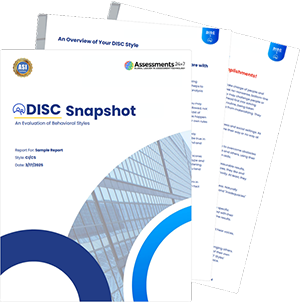
Assessments 24×7 provides online DISC assessments that help individuals explore their behavioral strengths, communication preferences, workplace tendencies, and opportunities for development.
The reports also include guidance for adapting to others. This gives practitioners a foundation for coaching conversations, leadership development, team workshops, and ongoing learning.
For organizations, an online assessment platform makes it easier to incorporate DISC into development programs and provide participants with a shared framework for discussing behavior.
Supporting Coaches, Consultants, and Trainers
Coaches and consultants can use DISC profiles to help clients explore recurring communication challenges and identify specific behaviors to practice.
A leadership coach, for example, might help a client examine how they delegate or deliver feedback. A team facilitator might use DISC to begin a conversation about meeting participation, decision-making, or expectations.
The assessment provides information that practitioners can connect to the client’s goals, experience, and working environment.
Connecting DISC with Broader Development
DISC can also contribute to programs that address emotional intelligence, motivation, and leadership effectiveness.
Each assessment adds a different perspective. DISC explores behavioral tendencies, while complementary tools can support conversations about other aspects of professional development.
Together, these perspectives can help practitioners develop more focused questions and create relevant action plans.
Applying DISC in Business, Leadership, and Coaching
A central theme in Tony’s work is making behavioral awareness useful in real situations. His approach connects DISC with the conversations and relationships that shape daily business performance.
Improving Workplace Communication
People often communicate in the way they prefer to receive information. That approach can create misunderstandings when others need a different pace, level of detail, or opportunity for discussion.
DISC encourages people to notice these differences and adjust.
For example, a leader introducing a new initiative could begin with the desired outcome, provide written details, explain the effect on the team, and invite questions. This gives employees several ways to understand and engage with the message.
Developing More Adaptable Leaders
Leaders work with people who have different strengths, expectations, and communication preferences. DISC can help managers examine how their own style affects those relationships.
A highly direct leader may benefit from allowing more time for questions. A highly collaborative leader may need to provide clearer decisions and deadlines.
These adjustments can support more effective delegation, feedback, and accountability. The purpose is to help leaders communicate expectations in ways their employees can understand and act on.
Strengthening Teamwork and Addressing Conflict
Differences in pace and priorities can create tension within a team.
One colleague may want to move quickly, while another wants to examine the details. One may think aloud, while another prefers time to prepare a response.
DISC gives teams language for discussing these differences. A facilitator can use that shared language to help colleagues clarify expectations, agree on working practices, and recognize the strengths each person contributes.
Understanding styles can inform the conversation, while resolving conflict still requires listening, clear agreements, and follow-through.
Applying DISC in Sales and Customer Service
Sales and customer service depend on understanding what matters to the customer.
DISC can help professionals become more attentive to communication preferences. A customer may want a quick recommendation, a detailed explanation, a collaborative discussion, or reassurance about the next steps.
Tony’s emphasis on adaptability encourages salespeople and service teams to listen carefully, ask useful questions, and adjust their approach to support the customer’s decision.
Supporting Coaching and Professional Growth
In coaching, DISC can create a starting point for reflection.
Clients can explore questions such as:
- How does my communication style affect the people around me?
- What happens to my behavior when I feel pressure?
- Which strengths do I rely on most?
- What adjustment would help me work more effectively with someone whose preferences differ from mine?
Connecting these insights to specific situations helps clients establish practical development goals and review their progress over time.
Books and Training Materials That Extend Tony’s Approach
Tony’s work as an author and educator has helped bring communication and relationship-building principles to a broad professional audience.
His books and training resources explore how people can understand one another, build rapport, and adapt their approach in business and everyday life.
The Platinum Rule®
The Platinum Rule, co-authored with Michael O’Connor, explores behavioral differences and offers guidance for adapting to others.
Its central principle connects closely with DISC by encouraging readers to consider how other people prefer to communicate and interact.
Management, Communication, and Sales Resources
Books such as The NEW Art of Managing People, Communicating at Work, and Collaborative Selling reflect Tony’s broader focus on interpersonal effectiveness.
These topics connect directly to the challenges professionals bring to DISC training: leading employees, listening effectively, building trust, and communicating with customers.
Audio, Video, and Practitioner Resources
Tony’s educational work also includes programs such as DISC Relationship Strategies and The Dynamics of Effective Listening.
Through books, presentations, and training materials, he has helped professionals connect behavioral concepts with practical skills they can use in their work.
Educational and Professional Background
Dr. Alessandra holds a Ph.D. in marketing and has served as a graduate professor. He is also a prolific author, having written numerous books on communication, sales, and management, including “The NEW Art of Managing People” and “Charisma.” His work has been recognized with multiple honors, such as induction into the National Speakers Association’s Hall of Fame.
Tony Alessandra’s Lasting Impact on DISC in the Workplace
Dr. Tony Alessandra has helped make DISC a practical resource for workplace communication and professional development.
Through Assessments 24×7, The Platinum Rule, and his educational resources, he has encouraged people to move from understanding behavioral differences to making thoughtful adjustments in how they work together.
That message remains relevant across leadership, coaching, sales, and team development. Greater awareness creates opportunities to ask better questions, communicate more clearly, and respond more effectively to others.
Discover how DISC assessments from Assessments 24×7 can support your coaching, leadership development, and team communication programs.

- Brandon Parker: Architecting the Future of Behavioral Assessment Technology - February 8, 2026
- How Dr. Tony Alessandra Helped Define DISC for the Modern Workplace - February 8, 2026
 +1 (206) 400-6647





 sales@assessments24x7.com
