

Here’s a paradox worth sitting with: when budgets get tight, training and development are often the first things cut. But those are the same investments that help people communicate better, lead better, hire better, and work together more effectively. The cost of not training employees still arrives. It just lands on other budget lines.
In the Center for Creative Leadership’s 2026 research on L&D budgets, 82% of 325 talent leaders said leadership development is a competitive advantage amid disruption. In the same survey, 71% said they expect to cut L&D budgets if the economy worsens.
This is the first post in a series we’re calling The People Budget Paradox, about making the business case for investing in people even when the numbers are tight. Before we get to how you build that case, it’s worth looking at what actually happens when the investment disappears.
The story you already know
Picture a manager who gets promoted with no leadership training. They’re good at the job, so no one thinks twice about skipping it. Six months later, two of their best people have quit. Nobody connects the dots back to the training that never happened.
That’s the pattern. The cut doesn’t show up as a loss on a budget line. It shows up somewhere else, later, wearing a different name: turnover, disengagement, a deal that quietly slips away.
Maintenance, not overhead
Cutting a people-development budget saves money this quarter. But you wouldn’t stop maintaining your equipment just because money got tight. You know that skipping maintenance now means a bigger repair bill later.
People aren’t any different. Development is maintenance for the systems that make the real work possible: how people communicate, how new managers lead, how teams handle friction before it becomes a resignation letter.
What this actually looks like
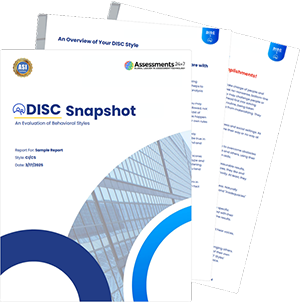
If that manager story sounds familiar, the good news is this kind of insight doesn’t require a major program to access. A single assessment can show a manager their own DISC Style and how it collides with someone else’s, and that’s just the starting point. The real value comes after: adjusting how they communicate, how they give feedback, how they run one-on-ones, built around what the assessment revealed. The assessment is what makes the rest of it possible. Used at the right moment, a single assessment can help a manager catch friction while it’s still small.
Before your next budget conversation
Pull one number: what turnover cost your team last year. Put it next to what leadership development would have cost. That comparison is worth more than any argument you could make in the meeting.
If you don’t have a turnover figure on hand, start with Gallup’s estimate: replacing an employee costs one-half to two times their annual salary. If two people earning $60,000 a year leave, that is $60,000 to $240,000 in replacement cost.
Frequently asked questions
What is the cost of not training employees?
It doesn’t appear on the training line of the budget. It shows up as turnover, disengagement, slower ramp-up for new hires, and lost deals. Replacing a single employee can cost one-half to two times their annual salary, according to Gallup.
What happens if you don’t train employees?
Problems that training would have caught early keep growing. A manager promoted without leadership training risks losing good people, and the cost lands months later, disconnected from the decision that caused it.
Why do companies not train employees?
Because the cost of skipping it never shows up on the training line of the budget. Training is easy to see as an expense and hard to see as prevention, so it is often the first thing cut when money is tight.
Next in The People Budget Paradox: how to translate people investments into the language leadership already cares about. See the full series.
Build stronger communication, leadership, and team performance.
Contact us to explore independently validated, private-labeled assessments, including DISC, Motivators, Emotional Intelligence, 360-degree feedback, and more.
Email: sales@Assessments24x7.com
Phone: (206)-400-6647
Website: www.Assessments24x7.com

- Defend the Outcome, Not the Tool - November 10, 2026
- Make the Invisible Visible - November 3, 2026
- The Backwards Budget Cut - October 27, 2026
 +1 (206) 400-6647





 sales@assessments24x7.com
